About Morocco

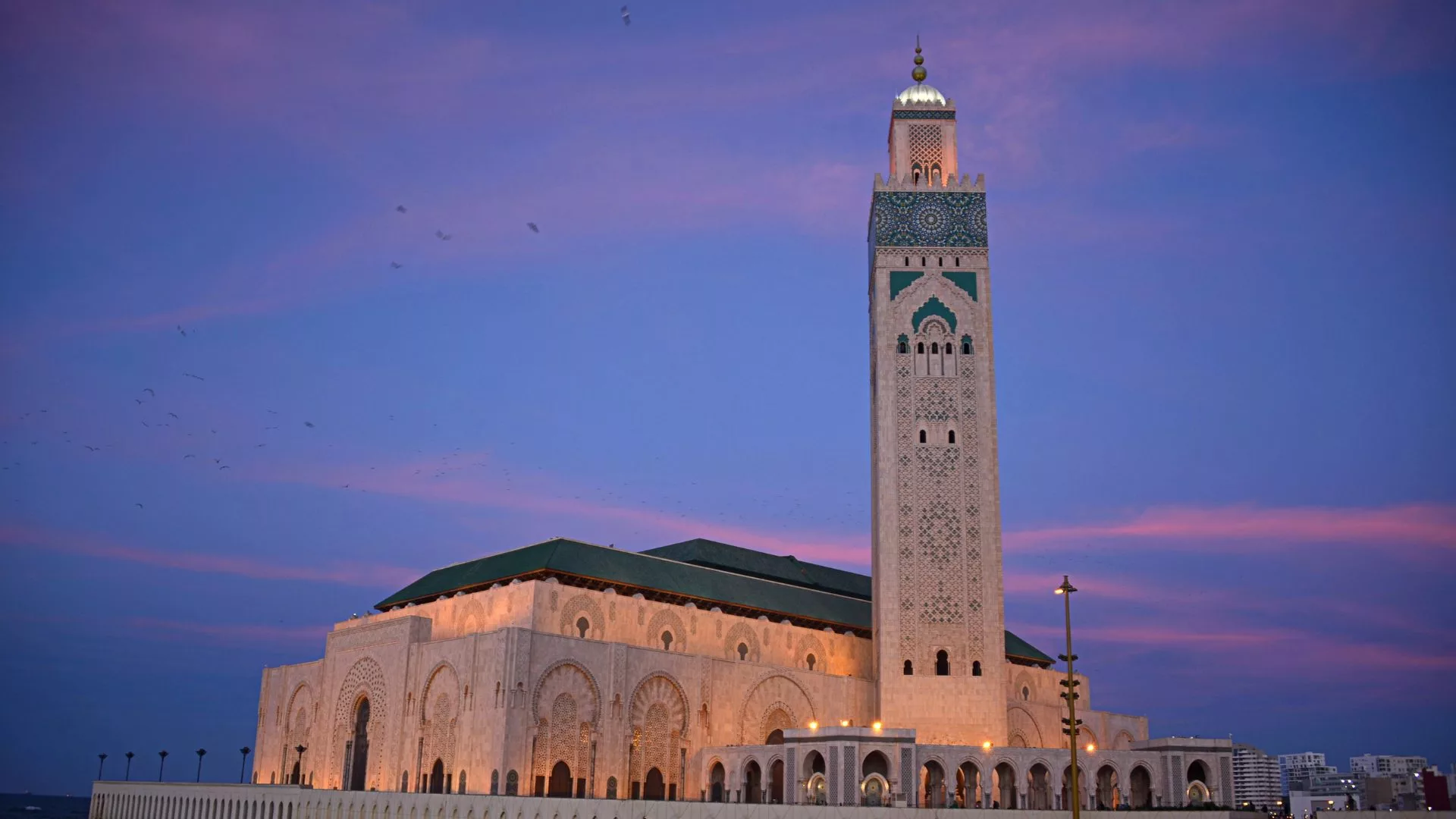
Morocco stands as one of Africa’s most compelling examples of planned, state-led urban transformation. With a population of over 37 million people and an urbanisation rate exceeding 64%, Morocco has made significant strides in reshaping its cities as engines of inclusive and sustainable growth.
Over the past two decades, Morocco has invested heavily in urban infrastructure, social housing, and territorial development. Flagship initiatives, including the Villes Sans Bidonvilles (Cities Without Slums) programme, which has upgraded informal settlements across more than 85 cities and towns, have transformed the lives of hundreds of thousands of Moroccan families. The country has also pioneered innovative housing finance mechanisms, including the Fogarim and Fogaloge guarantee funds, which have extended mortgage access to low- and middle-income households previously excluded from formal financial systems.
Morocco’s commitment to green urban development is equally noteworthy. The Kingdom has set an ambitious target of achieving 52% renewable energy generation by 2030 and has embedded climate resilience and environmental sustainability at the heart of its National Urban Policy. The country is also home to one of Africa’s most ambitious green city projects, the Mohammed VI Polytechnic University (UM6P) eco-campus and the Benguerir Green City, which offer replicable models for sustainable urban planning.
Morocco’s experience hosting COP22 in Marrakech in 2016 further reinforced its leadership in climate action and green finance. As the host of the 45th ShafDB AGM, Morocco offers invaluable lessons for the continent on how to mobilise domestic and international resources for transformative, inclusive, and climate-smart urban development, lessons that are directly relevant to the challenges facing cities across Africa.
Language
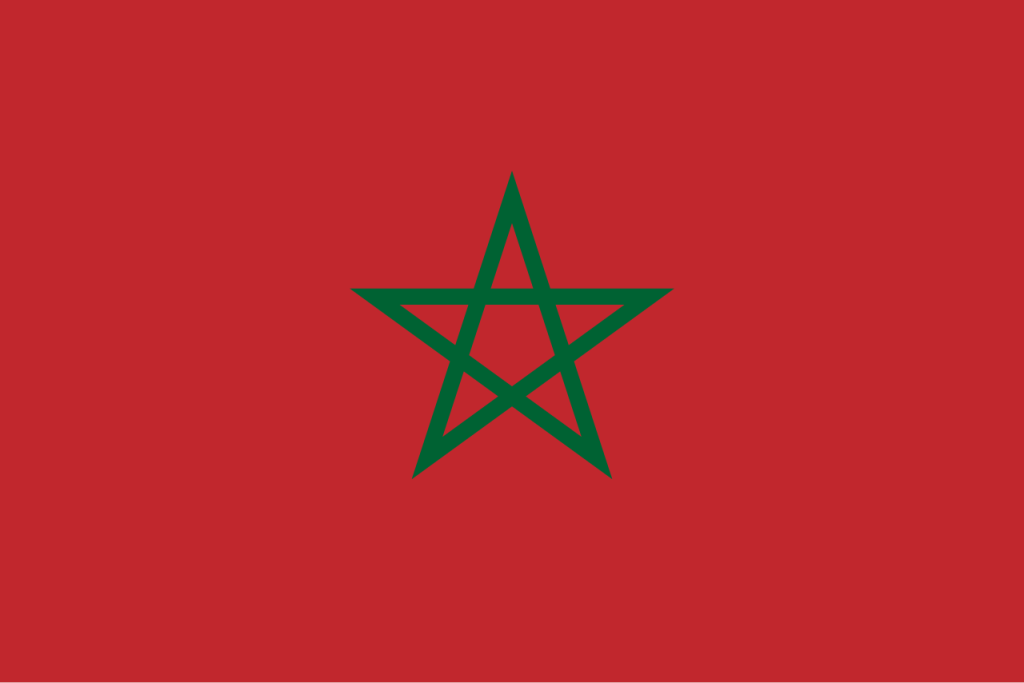
The official languages of Morocco are Arabic and Amazigh. French is also widely spoken.
Money and Banking
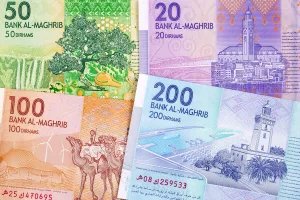
Morocco’s official currency is the Moroccan dirham (MAD), and banknotes are issued in 20, 50, 100, 200 MAD, as well as 0.50 – 1 – 2 – 5 – 10 MAD.
Currency exchange services in Morocco are conveniently accessible at international airports, local banks, authorized bureaux de change, and major hotels
Water

Please use bottled water, which is widely available, for guaranteed safe drinking water.
Electricity
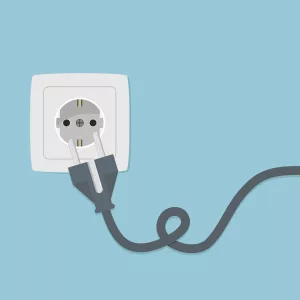
The standard voltage in Morocco is 220V at a frequency of 50Hz.
Local time

The time zone for Morocco is Western European Time (WET), which is GMT+0. Please be aware that the country may observe a one-hour shift (GMT+1) during specific times of the year, except during the month of Ramadan, when it remains at GMT+0 to accommodate local traditions.
Telecommunications and ICT services
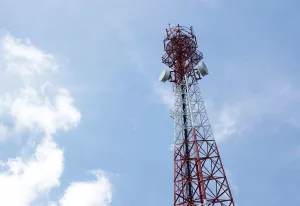
Morocco offers extensive national mobile coverage, ensuring reliable connectivity throughout your stay
Important phone numbers:
Police: 19
Ambulance / Fire brigade: 15
National emergency number: 141
Rabat has modern public hospitals and well-equipped private clinics. Pharmacies are widely available
The Future of Cities: Financing Inclusive, Green, and Resilient Urban Development
agm2026@shelterafrique.org
+254-20-4978000
Head Office: Longonot Rd, Shelter Afrique Centre, Nairobi, Kenya